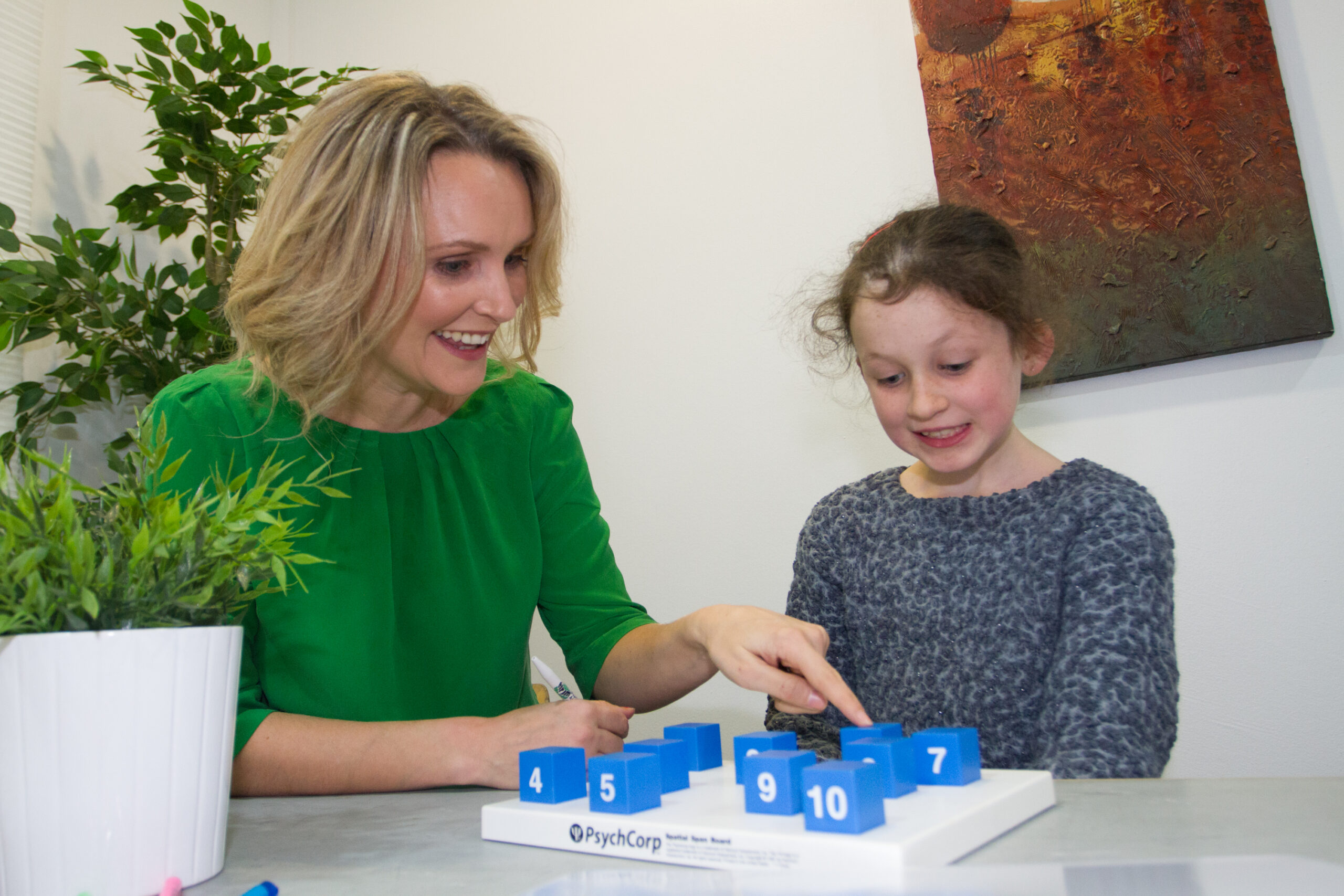
Preparing Your Child for an Assessment: A Parent’s Guide

Assessments can sometimes feel daunting for children, but with the right preparation, you can ease their worries and set them up for a positive experience. Here are some simple, practical steps to help your child feel comfortable and confident ahead of their upcoming assessment.

Talk About the Assessment

Start by having an open conversation with your child. Let them know where they are going, who they will meet, and what kinds of activities they might do. This information helps reduce uncertainty and anxiety.
If the assessment takes place in an office, show your child pictures of the space and staff (many are available on our website). Reassure them that the environment is friendly and relaxed, and that they can take breaks whenever needed.

Use Child-Friendly Language

Words like “testing” or “assessment” can sometimes cause stress. For younger children, focus on the playful elements by describing it as puzzles and games. For older children, you can say it’s a mix of fun activities and school-type tasks, but remind them that there will be no grades or scores. This approach makes the process feel less intimidating.

Ensure Rest and Nutrition

Being well-rested and nourished makes a big difference. Encourage an early bedtime the night before, and offer a healthy breakfast on the morning of the assessment. A rested mind and body help your child concentrate and do their best.


With these simple steps, you can make the assessment a calm and even enjoyable experience for your child. Above all, your reassurance and encouragement are the most powerful supports you can provide.

Need More Help?

If you’d like more guidance or want to discuss specific concerns, our psychologists at Éirim are here to help.

📍 Website: www.eirim.ie
📧 Email: info@eirim.ie
📞 Telephone: 01 499 2217
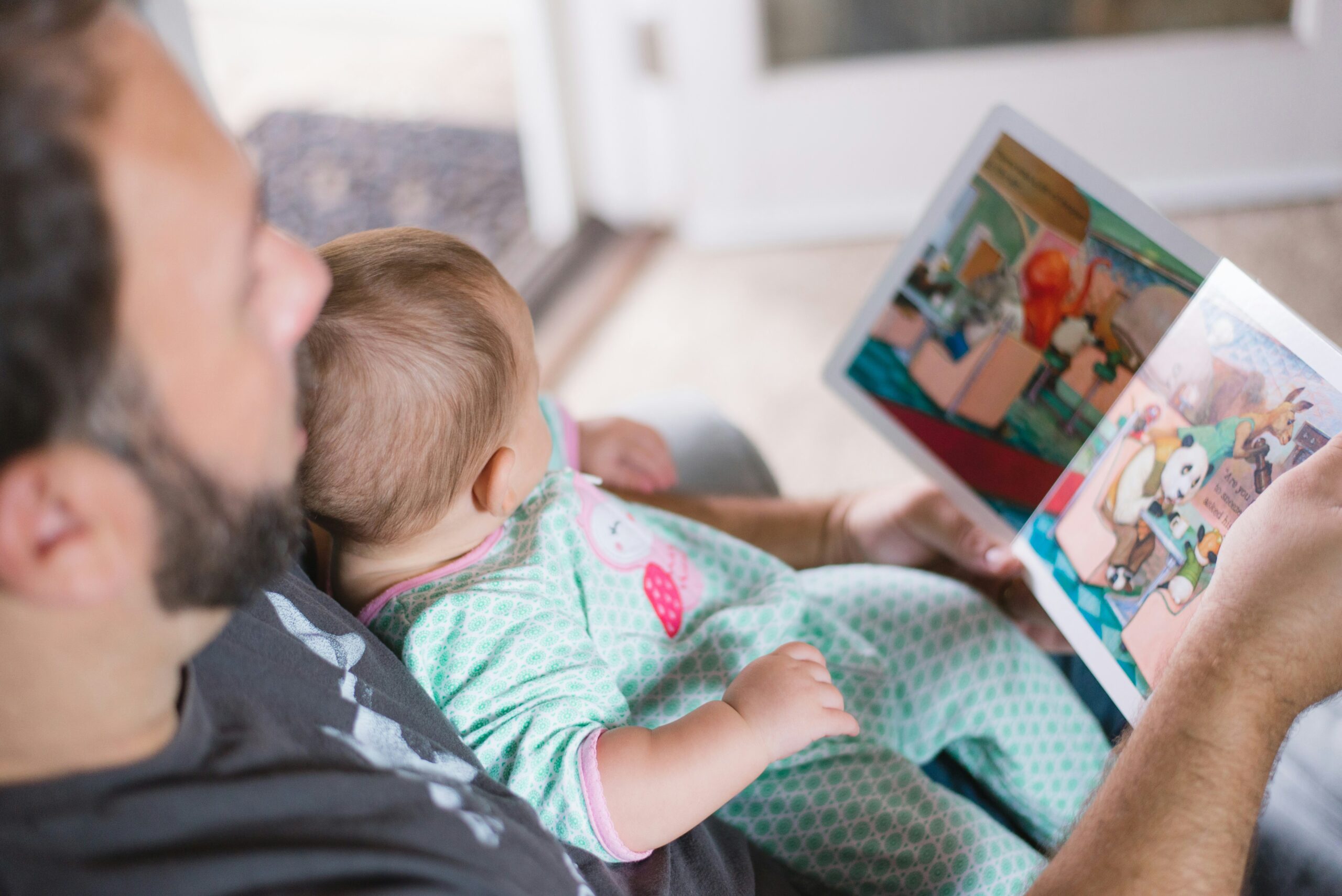
Why Reading to Babies is the Secret of Success

Many parents assume that babies are too young to benefit from being read to—but research shows the opposite is true. Even before they can talk, and even if they don’t yet understand the words, babies who are read to regularly go on to develop stronger language and reading skills later in life.

In fact, new research presented at the Paediatric Academic Societies meeting (2016) shows that reading to babies as young as six months helps build larger vocabularies and stronger reading skills almost four years later—just in time for school.

What the Research Shows

A team led by Cates (2016) followed more than 260 parents and their babies until the children started school. At 6, 12, and 24 months, parents reported how often they read to their children, how many books were in the home, and the quality of their story-sharing (such as pointing to pictures, talking about emotions, and asking questions).

The results were clear:

  • Quality matters most. The way parents engaged with their baby during reading—discussing pictures, feelings, and stories—was the strongest predictor of later vocabulary and reading success.

  • Quantity counts too. More frequent reading during the toddler years predicted early literacy skills such as recognising sounds, writing names, and beginning to read.

Other studies support this. For example, Duff, Reen & Nation (2015) found that the size of a child’s vocabulary at 16–24 months strongly predicted their language and reading skills five years later. Similarly, Nation et al (2010) showed that children who later developed poor reading comprehension often started school with weaker oral language, even if their word reading looked strong at first.

Why Early Reading Works

Reading aloud is like having a conversation with your child. Even before children can speak, the back-and-forth interaction—pointing at pictures, using expression, asking “What’s that?”—exposes them to rich language. This lays the groundwork for both word reading and reading comprehension.

The rhythm, rhyme, and repetition in children’s books also provide a natural foundation for language development. Importantly, these benefits apply even when children are non-verbal.

The Reality at Home

Despite the evidence, many parents still assume babies are too young for books. In fact, in Cates’ study, when babies were six months old, fewer than 20% of parents read to them more than five times a week, and over half read at most three days a week. A broader US survey also found that while 60% of middle-class parents read daily to their children, this dropped to just 34% in working-class families.

The Takeaway for Parents

It’s never too early to start reading to your child. Even if your baby can’t talk back, you’re giving them the tools they’ll need for school—and beyond. Every story you share helps build their language, their confidence, and their love of books.

So grab a picture book, snuggle up, and start reading—you may be surprised at how much it matters.